Building your own tank: Step by step Preparing your materials: make sure all the glass panels are clean, dry, and dust-free Apply aquarium-safe silicone: use masking tape to guide your lines and keep the silicone neat Assemble the panels: starting with the base, attach the sides one by one, securing them as you go Smooth the seals: run a gloved finger or silicone tool along the seam to ensure an even bond Allow to cure: leave for at least 48-72 hours for the silicone to fully harden Test with water : fill the tank in a safe area, like a garden, and check for any leaks before use Neat silicone work takes a lot of practice, it's the hardest part of tank building
[28] Ecology [edit source] Age and growth [edit source] It has been found that the statoliths, which are composed of calcium sulfate hemihydrate, exhibit clear sequential incremental layers, thought to be laid down on a daily basis
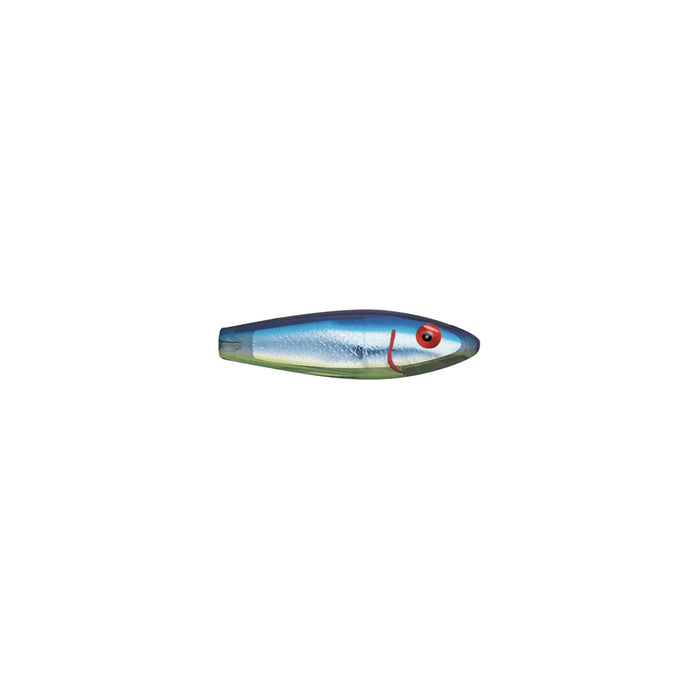
The main key elements of choosing the perfect jig is understanding color, head shape, weight, and size
The transducer will send and receive signals, and it acts as the heart of the echo sound system
Henry is a media member of AGLOW and writes for numerous publications, creates videos, appears on a variety of outdoor TV and radio shows and is a frequent seminar speaker
Black anodized aluminum, quick release spool, adjustable duplicated check, agate line guard, ribbed foot